

The technology is the easy part of an office in Japan
mtc provides complete technology services for commercial offices across Japan, covering audio-visual systems, IT infrastructure, structured cabling, physical security and project management. We design, install and support each system with our own bilingual team, helping multinational companies build new offices, relocate or upgrade existing infrastructure with systems that work from day one.
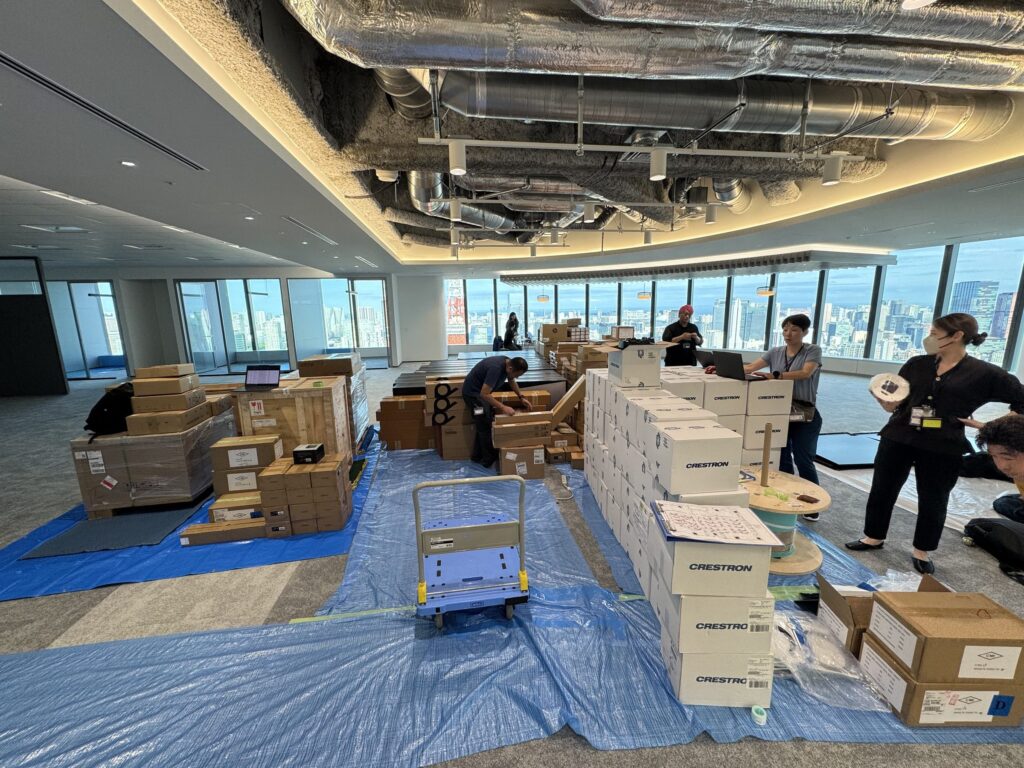
Who does the work
Three things clients ask us about before anything else.
One bilingual team
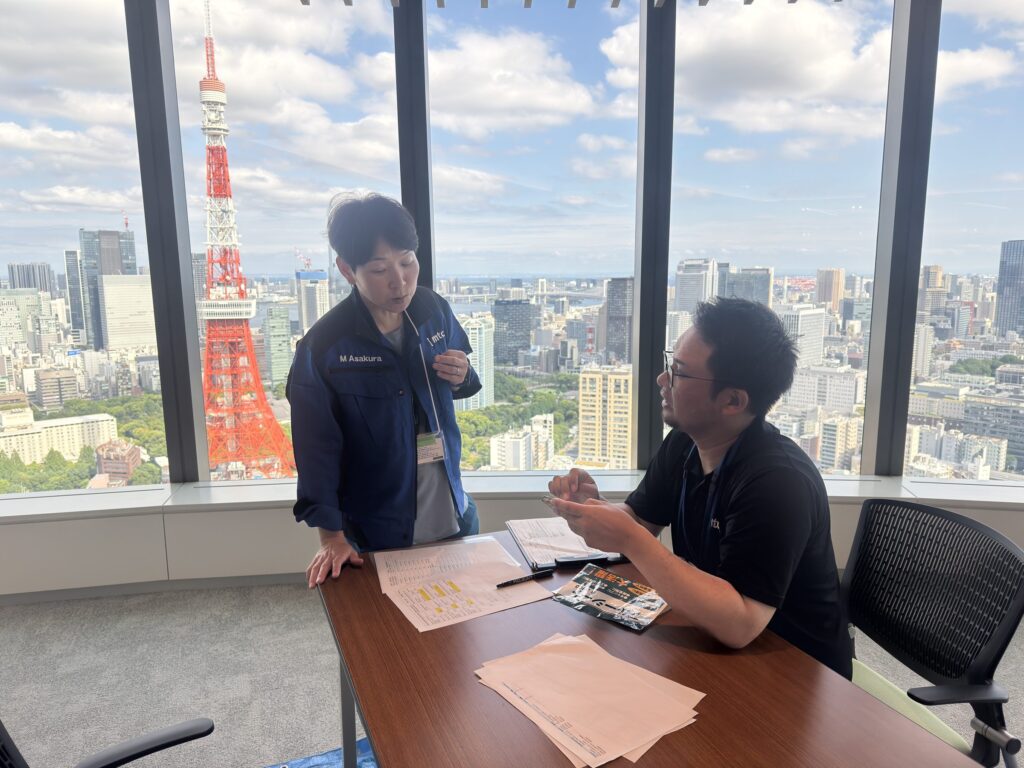
Our in-house team works in English and Japanese, from design reviews with your global stakeholders to coordination with building management on site. One team carries your project from start to finish.
Licensed and compliant
mtc is a licensed telecommunications construction contractor (Kanagawa Governor Permit, General-6, No. 92487). We plan and deliver every project in line with Japanese regulatory requirements, building rules and landlord conditions.
Resident team, valid work status
Everyone working on your project, from project managers to engineers, is a resident of Japan with a valid work status. You always know exactly who is on site and that they are permitted to be there.
What we deliver in Japan
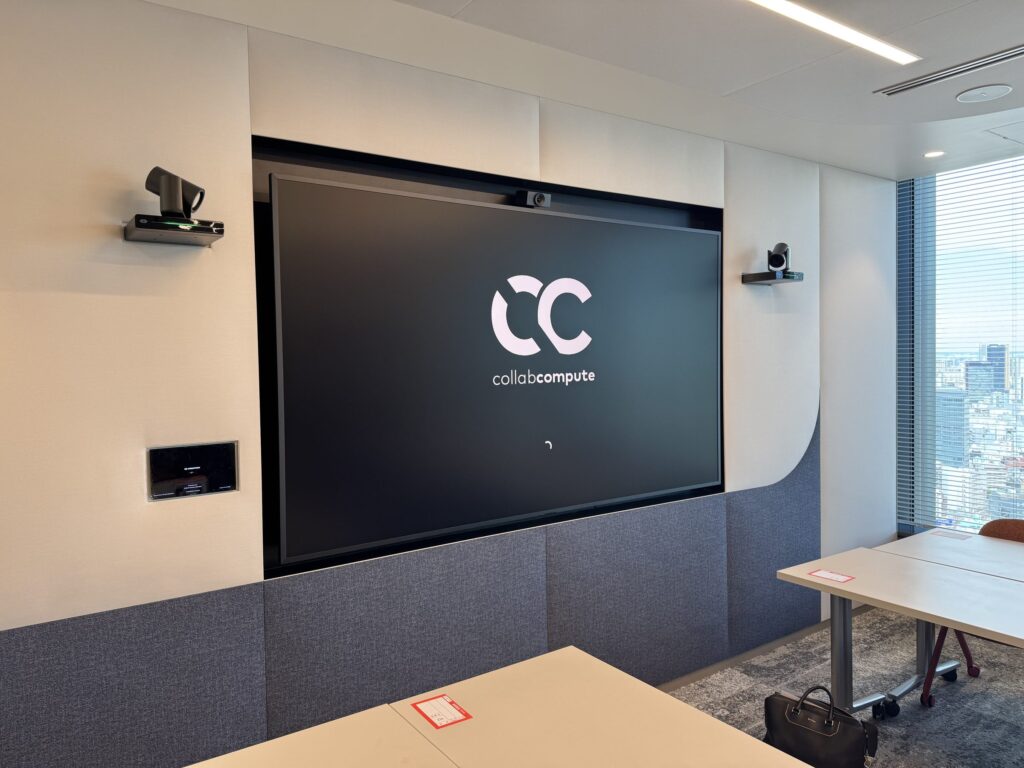
Audio-Visual Integration
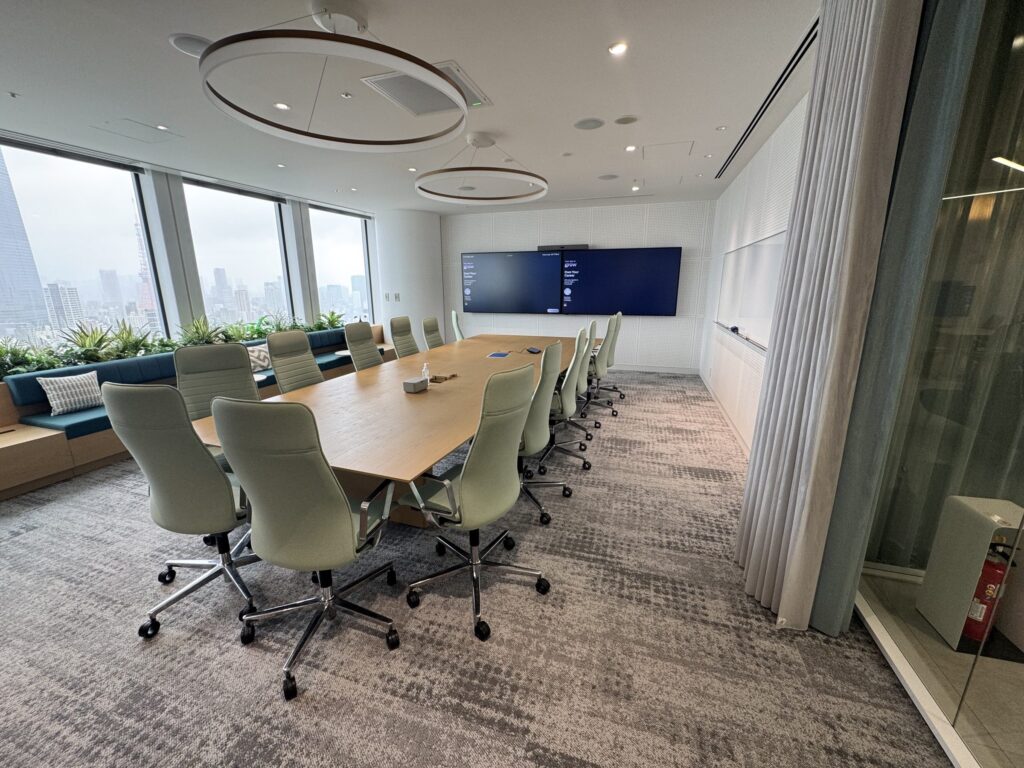
Meeting room technology, video conferencing, digital signage and background music, with custom touch panel and room control interfaces designed to be intuitive and easy to support.
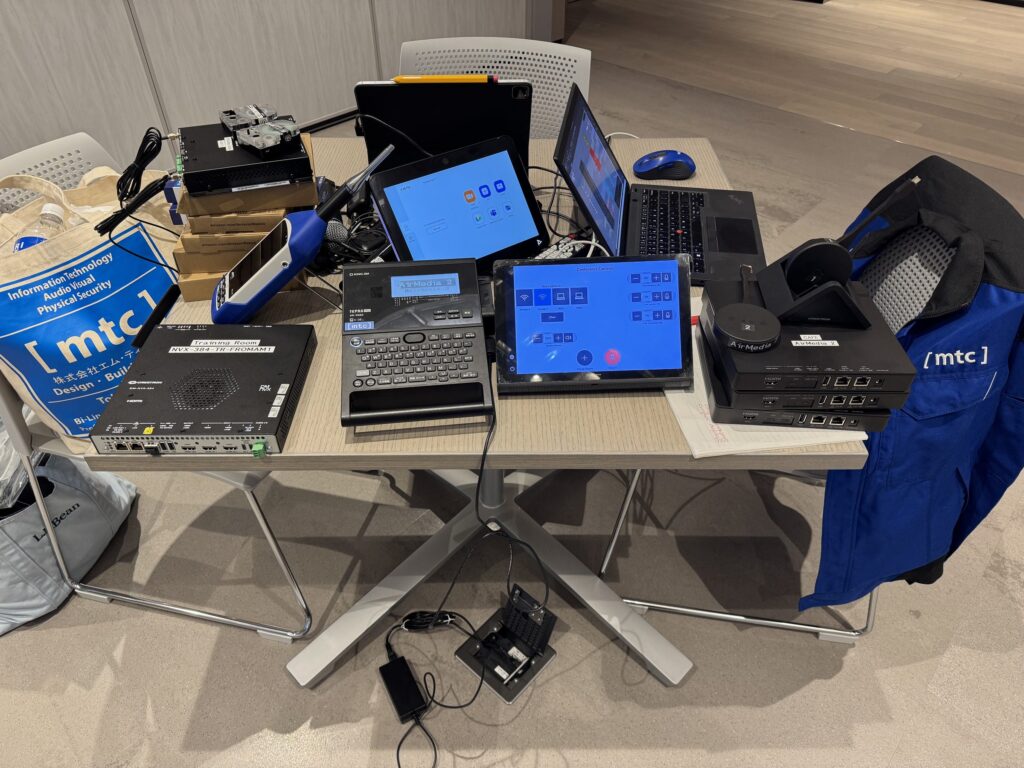
IT Infrastructure
Business-grade networks, from rack design and structured patching to Wi-Fi and switch deployment, aligned with your global IT standards, security policies and local site conditions, for new builds or retrofits.
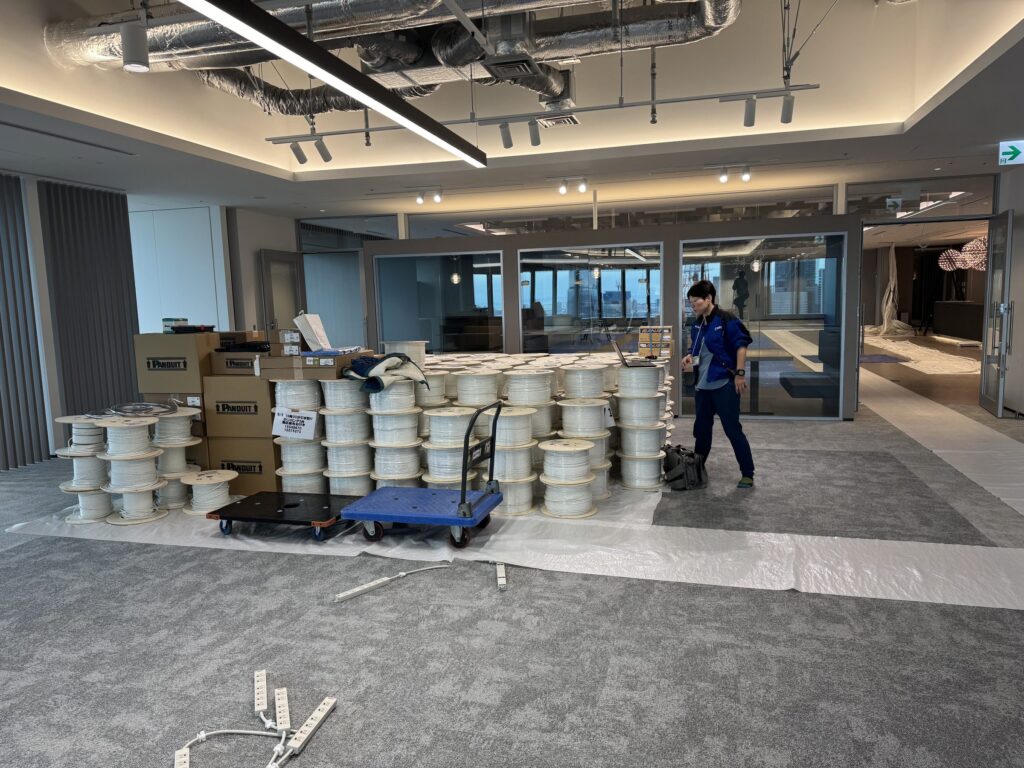
Structured Cabling
CAT6, CAT6A, CAT7 and fiber systems installed by our own licensed team, certified with Fluke testing equipment and delivered with clear documentation, rack layouts and consistent labeling.
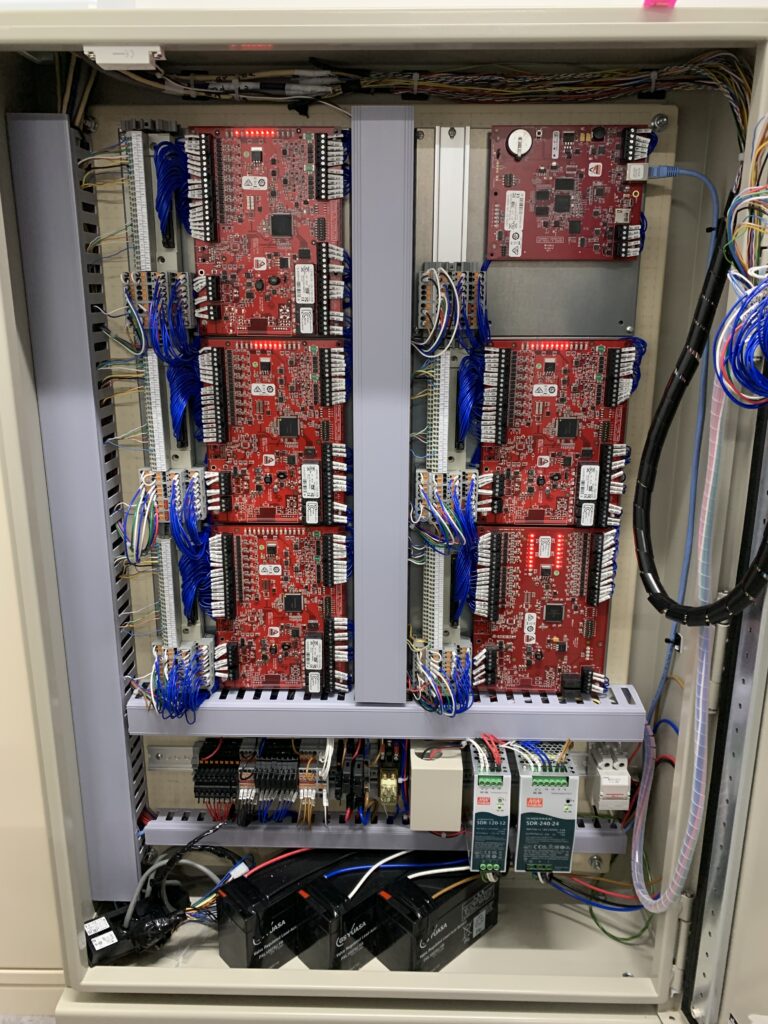
Physical Security
Access control, intercom and CCTV systems for commercial offices, integrated with building management systems and IT infrastructure, and installed cleanly and discreetly to respect your space.
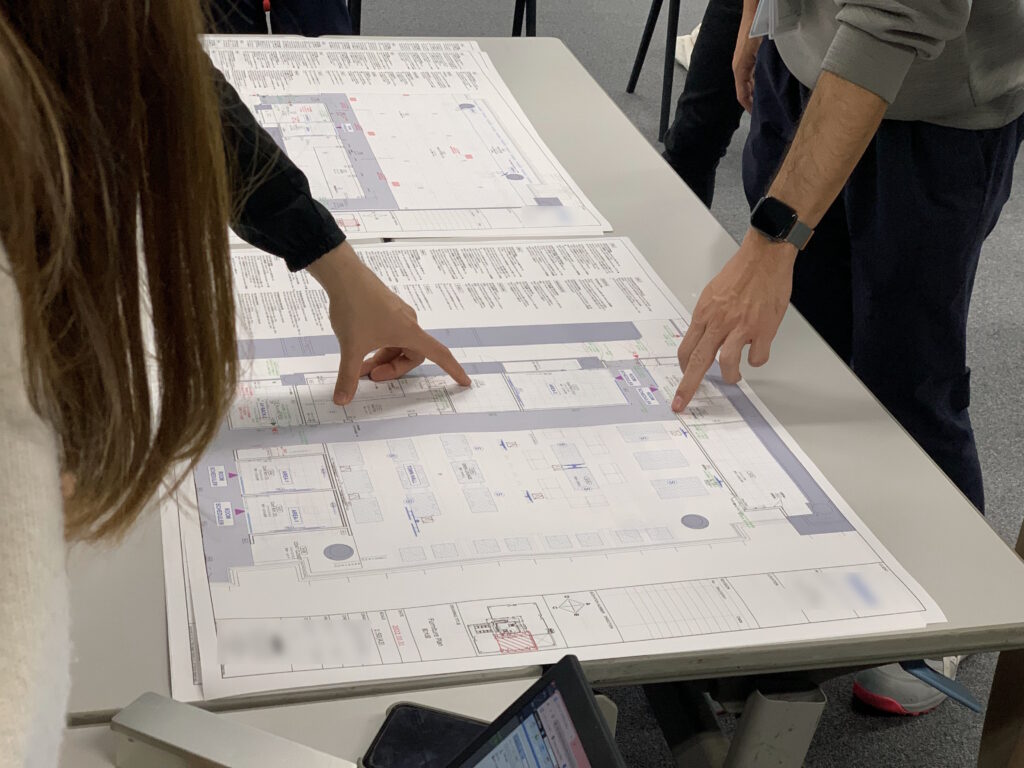
Bilingual Project Management
Bilingual technical project managers who understand the systems, coordinate vendors and contractors, communicate clearly across cultures and take full ownership of the result.
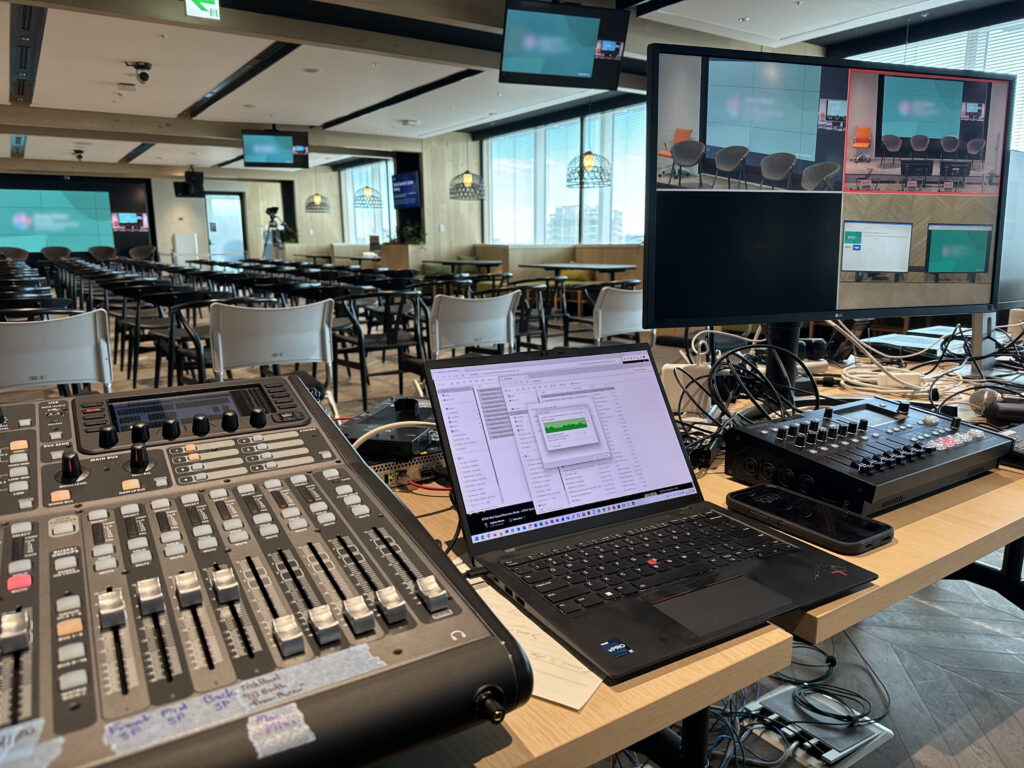
Support and Managed Services
Ongoing maintenance, support and managed service options after handover, backed by thorough documentation and proactive check-ins to keep your systems performing as your business evolves.
Why international companies choose mtc
Our own engineers, licensed in Japan
We do not subcontract our core work. Design, coordination, procurement and installation are managed and carried out by our own trained engineers and project managers. This gives us strict quality control, avoids miscommunication and means what we promise is what gets delivered. As a licensed contractor in Japan, we also make sure installations comply with building and fire codes.
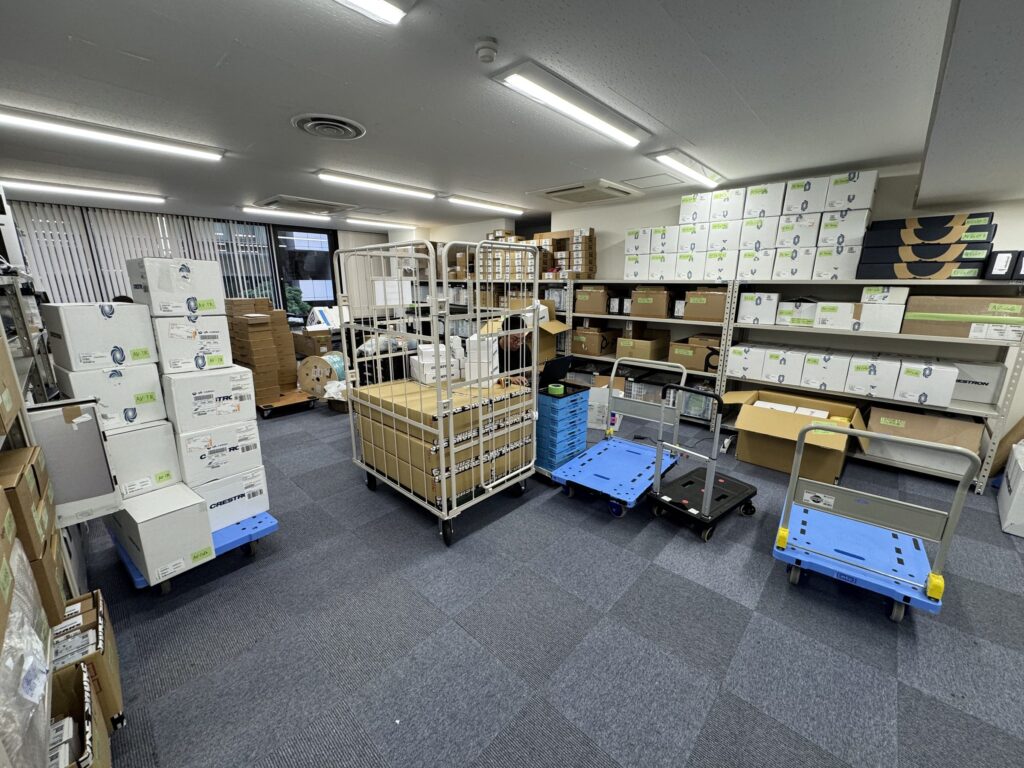
We are a certified reseller and direct partner with major AV and IT brands. All equipment is pre-tested, labeled and staged at our Tokyo facility before it reaches your site, so installation runs smoothly. Communication and documentation are bilingual throughout, and global clients rely on us for consistent quality and clear accountability.
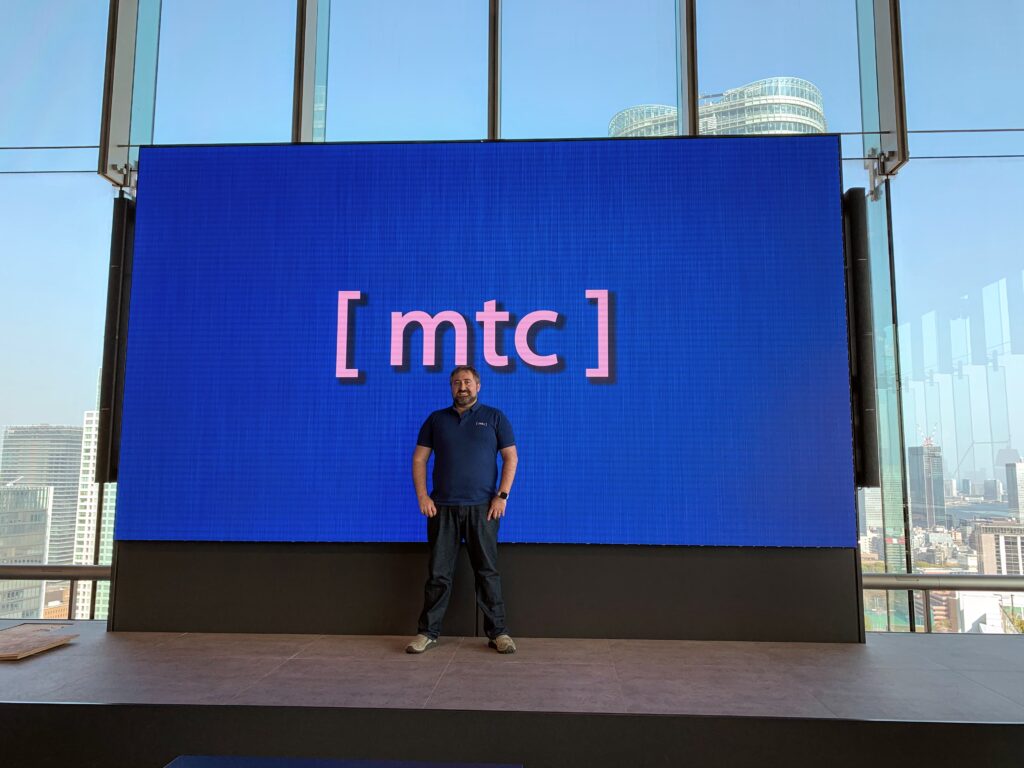
Project management that owns the outcome
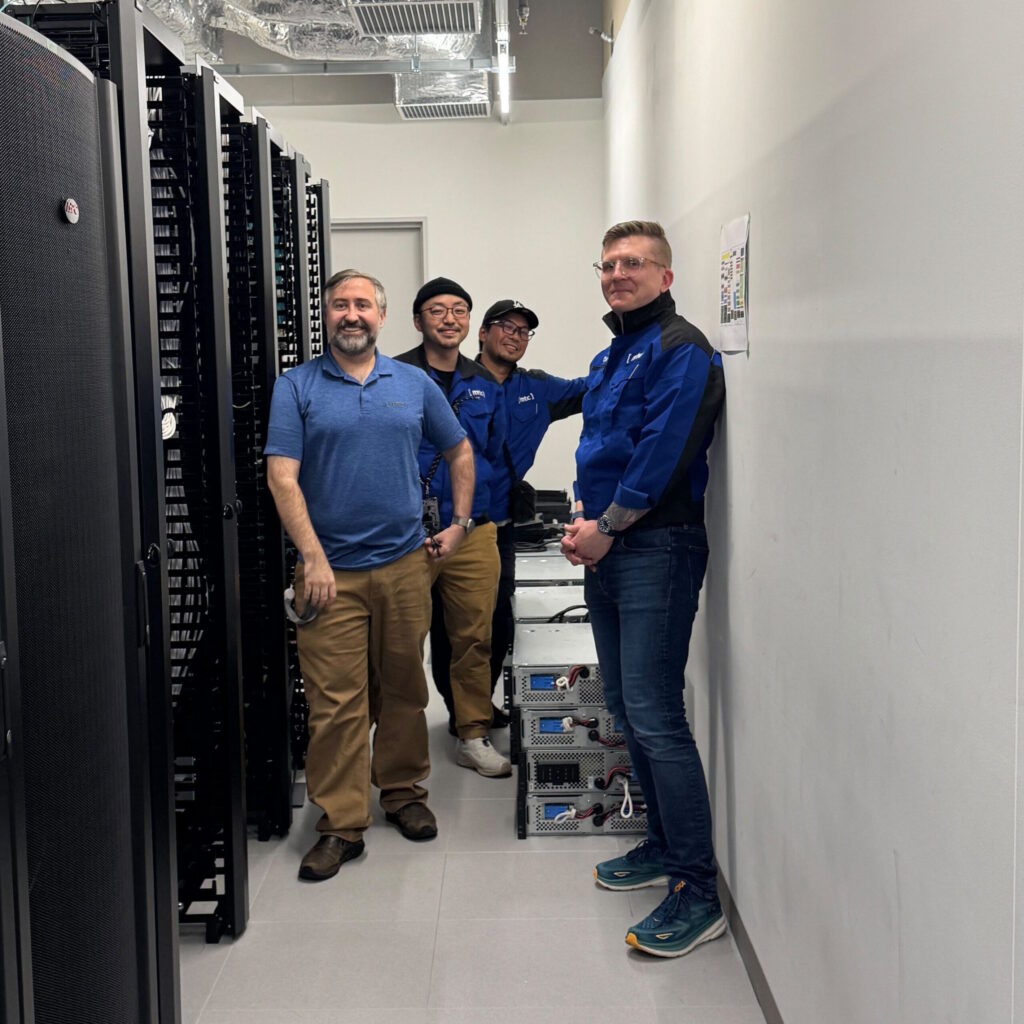
Our bilingual technical project managers do more than track schedules. They understand the systems being installed, coordinate vendors, communicate clearly across cultures and take full ownership of the result. They also work as a partner should: when an instruction from head office is going to cause a problem in a Japanese building, they say so, explain why and bring an alternative. We make sure work happens on time, and that the finished systems work the way they were intended.
Designed for the years after day one
Standards change, headcounts change and the way you work changes. We design with that in mind: spare capacity where it is cheap to leave, equipment your global team can manage and replace, and records that tell the next engineer what is there. Many of our clients keep working with us for years after their first build, through maintenance, support and managed services.
Where it goes wrong, and what it costs
Projects in Japan are heavily coordinated, planned and communicated. Site meetings start before the design is locked down, attendance is typically mandatory, and the position and method of all works is decided before anything moves. Coming in late means additional cost, extended schedules, and conflicts that can need major rework to resolve.
Electrical
Outlet and floor box positions are fixed on the approved electrical drawings. A boardroom table socket that was not on them becomes a change order through the contractor the building owner specifies, often with the floor cut at night.
Audio-visual
The ceiling plan places every light, sprinkler, detector and air outlet weeks in advance. Speakers, microphones and display mounts that miss it have no backing behind the board, so finished ceilings and walls are opened again.
IT
A server room needs dedicated circuits, cooling and a carrier line. Each one needs building approval, and a new carrier line can take weeks to arrange, so a late request moves the go-live date.
Security
Electric locks need the door frames and hardware prepared when the doors are made, and the fire release agreed with the building. Doors that are already installed have to be modified on site or reordered.
Each of these starts the same way: a vendor joins after the drawings are approved. Every change then goes back through the building owner, the contractor and the schedule, and each pass adds cost and time.
What it costs to arrive late
- Finished walls, floors and ceilings are opened again, often at night, to add what should have been on the drawings.
- The handover date moves while changes wait for building approval and the next available work window.
- Changes to building works after approval are priced by the building owner or their specified contractor, without competing quotes.
Before anything is ordered
Clients hire us for the thinking that happens before the equipment arrives. Most of the risk in a Japanese fit-out sits in the design and the coordination, not in the installation.
- Design and documentation. Drawings, specifications and equipment schedules are produced and agreed before procurement starts, so the budget is built on a real design.
- Landlord contractor coordination. Power, containment, penetrations, cable routes and fire alarm interfaces are specified by us and coordinated in Japanese with the designated building contractor. How work is divided in a Japanese building.
- Building, landlord and carrier coordination. Access, riser space, work permits, noise windows and circuit lead times are tracked from our side, in Japanese, from the start.
- Specification and localization. Global standards are checked against what is sold and supported in Japan, with equivalents proposed early where a product is not available here.
- Construction contract. In Japan, installing structured cabling and IT, AV and Security systems is construction work under the Construction Business Act (建設業法). It has to be planned and documented, and a written construction contract signed, before work begins. Ours records the scope, price, schedule, and how changes and defects are handled. During the works, qualified engineers and site managers are assigned to the project to ensure quality, safety and compliance.
- Commissioning and handover. Systems are tested against the design and handed over with as-built drawings, configuration records and training.
- Fire and life safety. Anything touching ceilings, partitions, doors or the fire alarm has to match the plan the fire service has already approved. Contradict it on site and the building fails its next inspection.
Our engineers hold current certifications from Cisco, Microsoft, Crestron, Biamp, Shure, Extron, Netgear and Audinate, among others.



What is included
- Meeting room AV and video conferencing
- Network, Wi-Fi and rack design
- Fluke-certified copper and fiber cabling
- Access control, intercom and CCTV
- Bilingual technical project management
- Pre-testing and staging at our Tokyo facility
- Ongoing maintenance and managed services
Tell us what you are planning
Talk to our bilingual engineers about scope, timing and budget. We will tell you what is realistic in your building.
Cost-Conscious AV and IT Integration for a Global Travel Platform in Tokyo
Tokyo office for a global travel platform, delivered on schedule and within budget, with existing hardware reused to cut cost.
Design・Build・Support
How this service runs from the first site visit to ongoing support.
Design
We start by understanding your global standards, security policies and how your people work, then design AV, network, cabling and Security systems that suit local site conditions and comply with building and fire codes.
Build
Our own engineers handle procurement and installation, with equipment pre-tested, labeled and staged at our Tokyo facility. Bilingual project managers coordinate vendors and trades so everything functions from day one.
Support
After handover, we provide full documentation, ongoing maintenance and managed service options, with proactive check-ins that help extend the life of your investment and keep systems performing as your business evolves.
Frequently asked questions
Our core work is not subcontracted. Design, coordination, procurement and installation are handled by our own engineers and project managers. Where a project involves other contractors, such as building or fit-out trades, our project managers coordinate with them directly so responsibilities are clear and the finished systems work as intended.
We aim to add value, which is not the same as being the lowest price. Our proposals are transparent and realistic about what a project in a Japanese building needs: night and weekend work where the building rules require it, attendance at mandatory site meetings, insurance, permit and compliance paperwork, and licensed, qualified people on site as the law requires. Those costs exist whether or not a quote shows them. We include them at the start so they do not reach you later as variations. A cheaper quote that leaves these out is not cheaper in the end.
Yes. Before recommending a solution, we take time to understand your corporate standards, security policies, endpoint requirements and compliance expectations. Our bilingual team communicates with your regional or headquarters IT team in English and coordinates locally in Japanese, so decisions made overseas are carried through accurately on site.
Yes. We support new office builds, relocations and upgrades to existing infrastructure, from a single site to regional rollouts. We can plan and deliver AV, network, cabling and Security together, which reduces the number of parties you need to manage and helps keep the move on schedule. Contact us to discuss your timeline or arrange a site visit.
Every project is handed over with as-built drawings, configuration records, test results, credentials and an asset list. They are yours whether or not you keep us on for support. Many clients then continue with us for maintenance, support or managed services, and because the same team designed and built the systems, support starts from a full understanding of your environment.